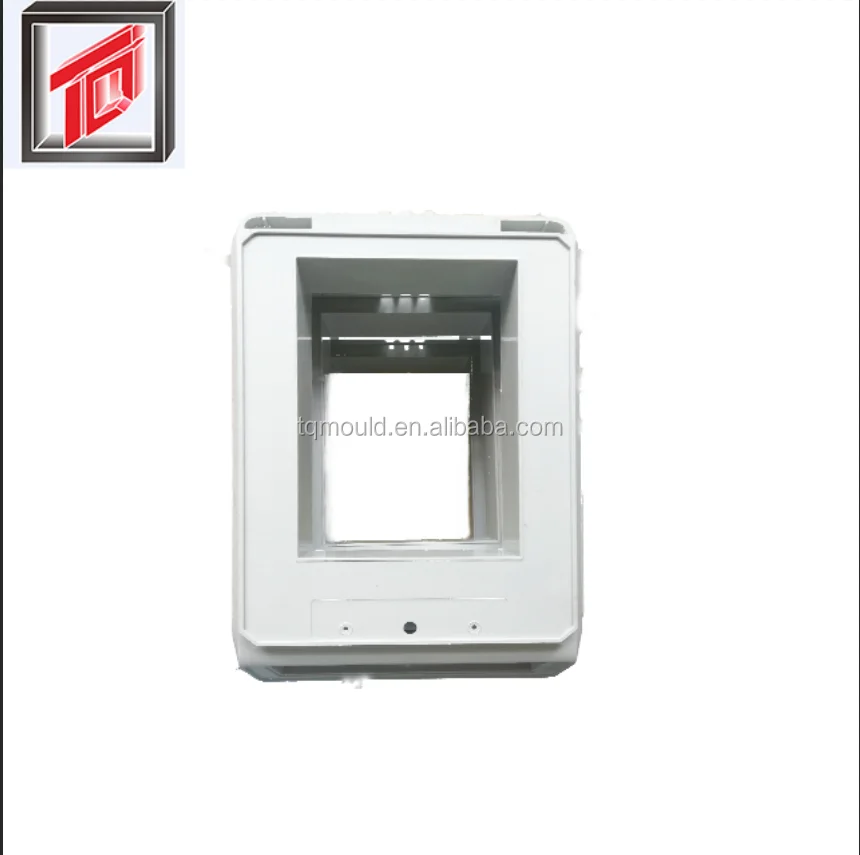
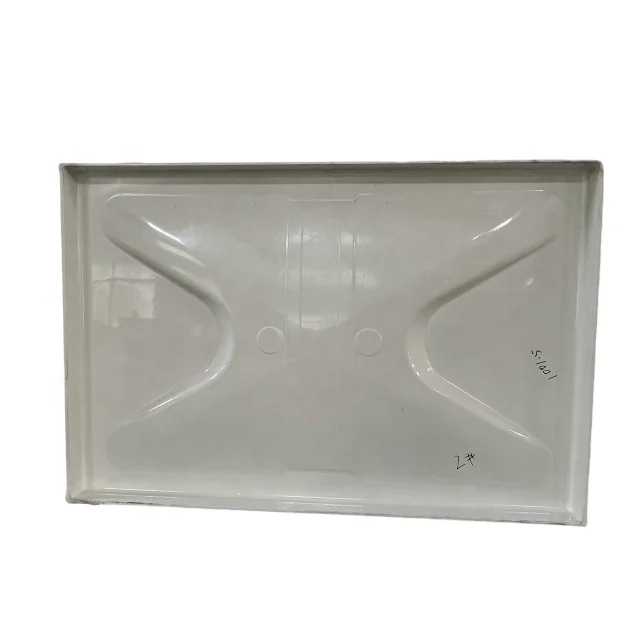
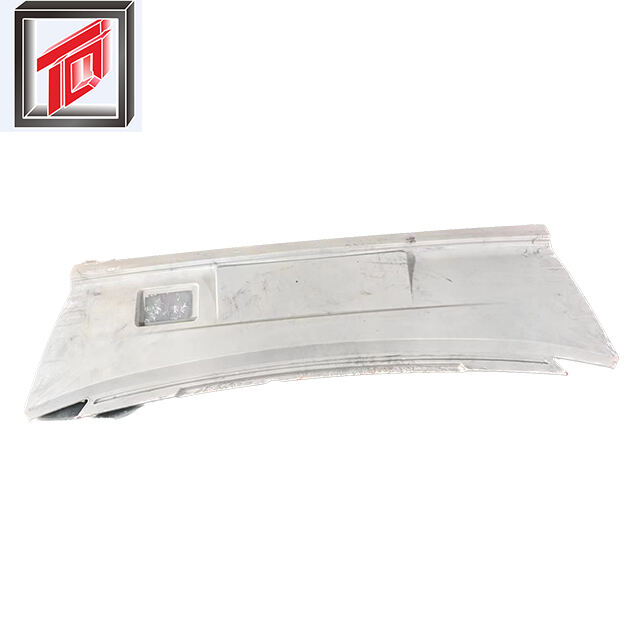
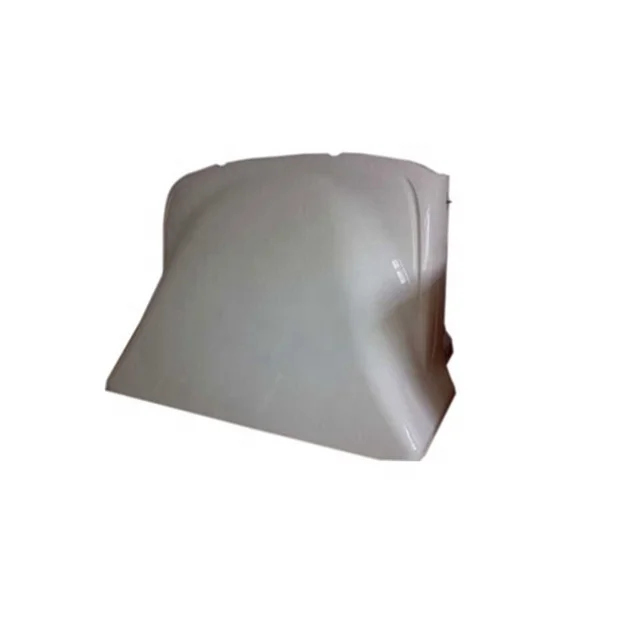
SMC — short for sheet molding compound — is a strong substance that’s created by fusing tough fibers such as glass or carbon with a resin. At my company, TQ, we produce a bunch of different types of SMC for many different markets. This stuff is awesome because it’s strong, durable and can take lots of forms. Whether it’s cars, planes, buildings or gadgets, SMC is key in making parts that are tough, light, and affordable. Let’s take a deep dive into some of the ways in which TQ’s SMC is being implemented and what makes it unique.
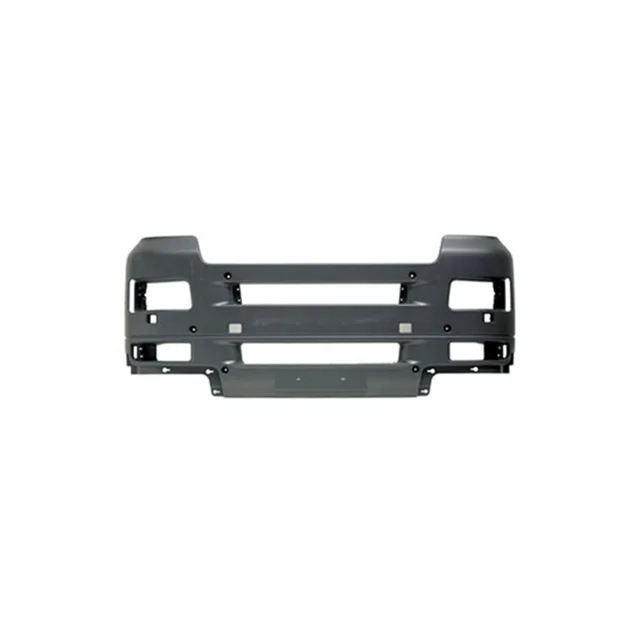
They're happy to use TQ's SMC in the car industry as it makes cars lighter! A lighter car burns less fuel, which saves money and is better for the planet. Our SMC is also really strong, so can better shield passengers in an accident. TQ’s SMC is employed in the production of parts like hoods, fenders and bumpers. These smc parts also work well in hot or cold weather, or even when in contact with water, which make these SMC parts ideal to use in Cars.
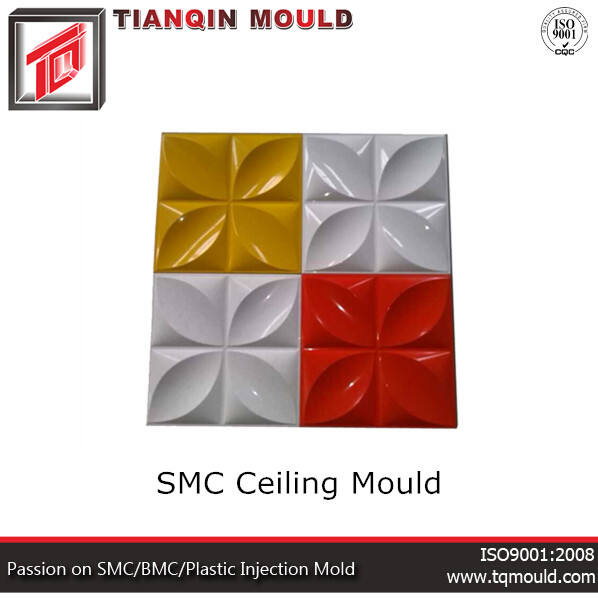
Planes require materials that are both light and strong, and this is where TQ’s SMC comes in. "With our SMC, instead of light weighting parts that can't survive the pressure of flying up high, airplane makers can design new ones," he says. That way, planes burn less fuel and can go farther. TQ’s SMC is employed in manufacturing seats, cabin dividers and even components on the exterior of the plane.

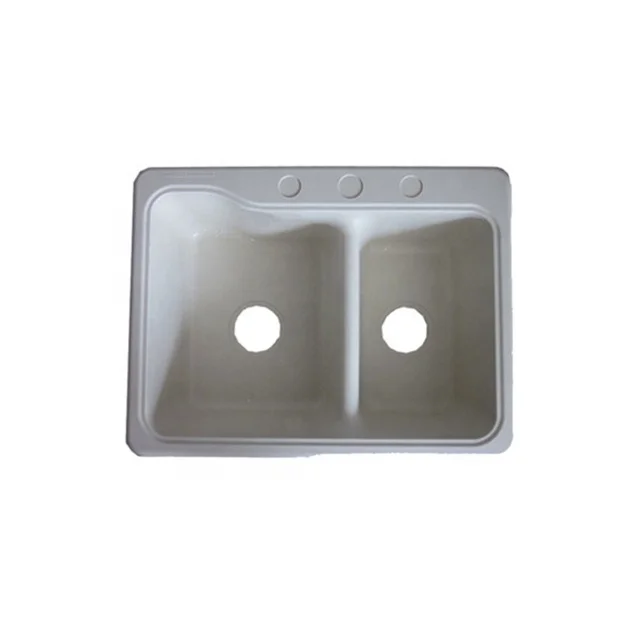
You need stuff to build things like houses or bridges, and this stuff has to be able to hold a lot of weight and stand the test of time. TQ's SMC is perfect for this. It doesn’t rust or rot, and that’s a big deal for buildings. Plus, it can be crafted to resemble other materials like stone or wood, offering builders more design options. SMC is often used in applications like water tanks, door frames and panels that assist in insulating a building.
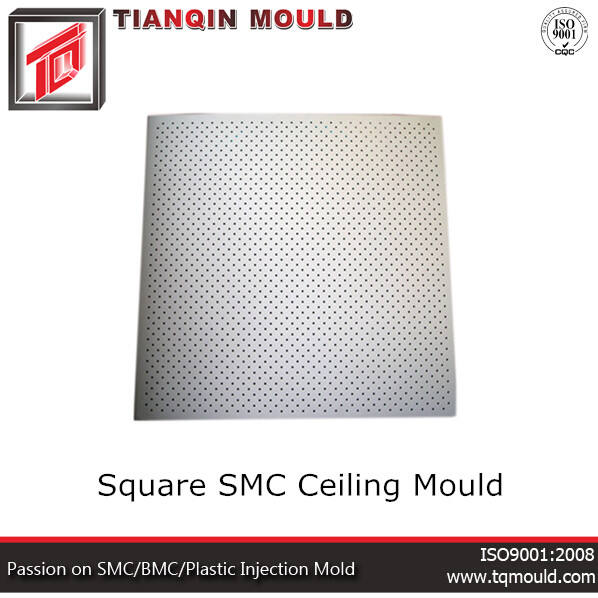
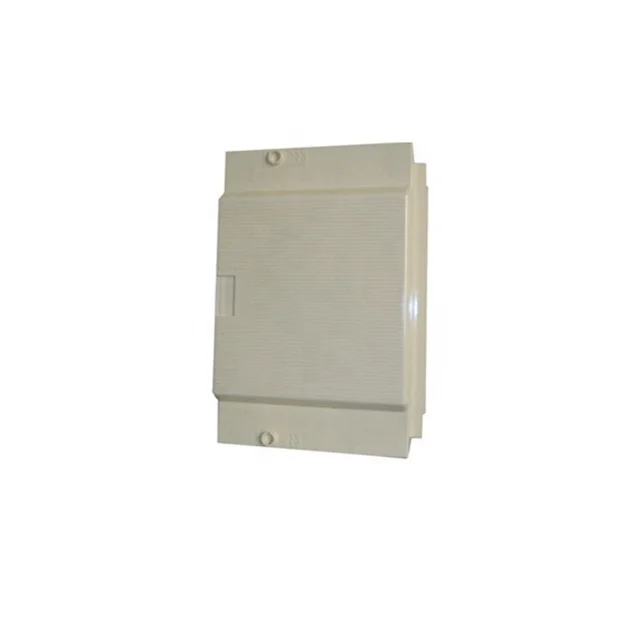
In electronics, SMC can help shield fragile components from heat and electricity. SMC turns out to be pretty good at not catching fire, and it doesn’t conduct electricity, so in theory it’s safe to use for things like circuit breakers and electrical casings — and even lighting fixtures! It’s also cheaper than certain other materials, which helps keep costs down when making electronic products.
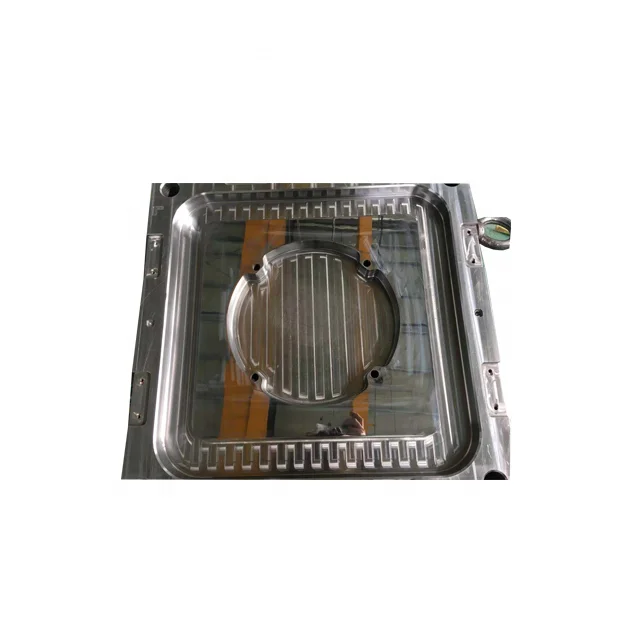
TianQin currently offers moulds and sheet molding compound. There's no limit to the product categories, and the highest level of support for a custom design and customized solutions. Make sure that customers get a unique designs and the highest capacity output.
Tian Qin develops sheet molding compound for each project, in order to ensure that the quality is maintained and production occurs within the shortest amount of time. Prior to shipment, we make use of professional equipment to ensure that the dimensions and design are accurate to ensure that the customer receives the goods without any issues.
TianQin is home to its own workshop of 8000 square meters with the processing equipment it owns, a skilled team that has been awe-inspiringly trained in the field of moulds for more than 20 years and has unique sheet molding compound in mould design and manufacturing and can supply clients with the ideal solution.
sheet molding compound company has obtained ISO, CE and other certificates. The warranty period is 12 months from the date of receipt of the merchandise by the customer, but we will respond positively to any after-sales problems regardless of whether they extend beyond 12 months. The goal is solving any concerns of the customer.

 EN
EN