
 EN
EN
Choosing right thermosetting resin for molds are very important in making stuff. At TQ, we know that picking the correct one can really change how the products come out. These thermosetting resins are special kind of plastics that get hard and stay that way after heating. They get used in lots of fields, such as cars and electronics, because they handle heat good and is super strong. To select the best resin, you have to think about what the mold is for, how it gets made, and the qualities the end product will need. So let's check out the main things that affect choosing thermosetting resins and how to fit them to certain mold uses
What Factors Affect Picking Thermosetting Resins for Molds
There are several key things that influence choosing thermosetting resins for molds. First off, how well it resists temperature is super important. If the product goes in hot places, the resin must hold up to high heat without melting or getting weak. For like car parts, resins need to take engine heat. Second, resisting chemicals count too; if the molded item faces tough chemicals, the resin has to fight those off. A good case is parts in chem plants, where bad resin might break down fast. Third, the strength and flex of the resin matters a lot. This cover toughness and such. For heavy tools, you want one that takes stress without snapping. Another thing is how long it takes to cure. Some set fast, others slow, which can change how quick you produce and the costs. And finally, the price of the resin and if you can get it easy will sway the decision. If its too pricey or rare, it might not work even with good traits. At TQ, we guide clients on these so they choose what fits best
How to Fit Thermosetting Resins to Certain Mold Uses
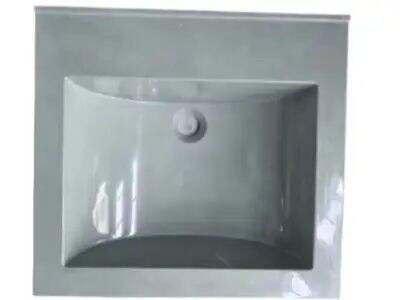
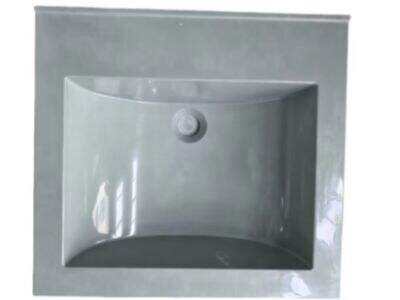
Fitting thermosetting resins to mold apps needs knowing what the final product does. For say, electrical parts, you'd pick a resin that blocks electricity and takes heat. Epoxy resins often work here because they insulate well and manage heat. On the other side, for furniture, you need one with good finish and lasting power. Phenolic resins might suit because they strong and give smooth look. Also think about the mold size and how tricky it is. Big molds may require resin that flows nice into details and fills all spots. In that, good flow is key. Plus, the way you make it can decide the resin. Like for injection molding, it has to flow quick into the mold. TQ helps match needs to right resins, so the product is quality and not too costly. With this, businesses can pick smart and meet what they expect
When finding good thermosetting mold resins, know where to get them from
A solid pick is suppliers who focus on these stuff. TQ has various thermosetting resins for diff mold types. You can get them at shops for crafts or manufacturing materials. Online places are handy too, with big choices and delivery to door. When buying, check reviews or ask folks who tried it. That way, you sure its reliable for your work. Buying bulk saves cash if making many molds. TQ does wholesale for big amounts, great for biz or hobbyists. Always look at specs like cure time, strength, flex to match needs. TQ gives info on each so picking is easy. Taking time to find best source sets you up good for mold projects
Using thermosetting resins in mold making bring lots of pluses
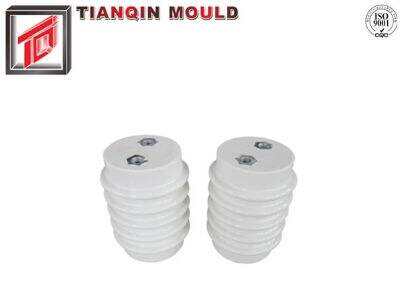
One big one is they get really strong once cured. So they keep shape and take pressure. Unlike other materials, these don't soften with heat after set. Thats why they fit products that must hold under hot. Another plus is resisting chemicals well. They won't break or damage from stuff touching them. This help in fields like cars or planes, where parts last long in hard spots. In addition, resins can shape into fine details. That let you do fancy designs to make products pop. With TQs resins, you get nice finishes and details in molds. Last, they save time cause once set, no extra fuss, so produce more faster. Overall, the benefits of thermosetting resins for molds, esp from TQ, make them smart for strong, lasting products
To get top results in mold projects, pick the right thermosetting resin
Here some tips to boost quality. First, think what kind of mold your making. Diff molds need diff resin traits. Like, for high heat exposure, go heat-resitant one. TQ has options to fit. Next, consider detail you want. Some resins good for tiny bits, others for big simple. Matching to design ensure best out. Cure time is key too. Fast ones if you rush, slow for others. Look at TQs fast-cure if needed. And always do what maker says for mixing applying. This avoid errors and get good end. By picking careful and minding these, your molds improve. TQ support with products and info, so you choose best
Table of Contents
- What Factors Affect Picking Thermosetting Resins for Molds
- How to Fit Thermosetting Resins to Certain Mold Uses
- When finding good thermosetting mold resins, know where to get them from
- Using thermosetting resins in mold making bring lots of pluses
- To get top results in mold projects, pick the right thermosetting resin
