
 EN
EN
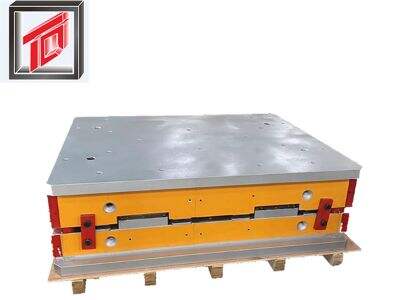
Thermosetting mould compression molding is a special process for making strong, lasting items from materials that harden under heat. This way is popular in industries because it creates complex shapes with fine details. In the process, you place thermoset material into a mold. Then apply heat and pressure, which makes the material set into the moulds shape. Once it cools down, it can't be melted again. That property makes thermosetting materials useful for car parts and household stuff. TQ specializes in this molding, so products last long and meet high standards.
Where to Find Quality Thermosetting Mould Compression Molding Suppliers?
Finding good suppliers for thermosetting mould compression molding can be tough. Start with companies that have a strong reputation in the industry. TQ is one; they built their name by giving high-quality products. Check online lists and trade sites where makers show their services. Many show their moulded case work on websites or social media, so you can see past projects. And attend trade shows; that's a great way to meet suppliers face to face and check products. Also ask other makers for recommendations, as they often have trusted ones for quality. Communicate your needs with them, as this ensures they fit your expectations. Ask for samples to see the quality first. Always look at reviews from customers for an idea of reliability. Compare prices too; quality matters, but it should fit your budget. In addition, pick ones with good customer service, as it makes a big difference.
What Are the Common Issues in Thermosetting Mould Compression Molding and How to Resolve Them?
Thermosetting mould compression molding has some problems like other processes. One is poor mold filling, where the material doesn't fill the whole mold and causes defects. To fix this, heat the material evenly and to the right temperature before putting it in. Another issue is air bubbles trapped inside, which weaken the product. Remove the air first; maybe use a vacuum chamber to help. Sometimes the material does not cure properly, so the product is not strong enough. Monitor the temperature and pressure closely during the process, as not doing so can cause issues. The mould itself wears out over time too. Regular checks and maintenance help prevent that. With this, keep communication open with your supplier for advice from experience. TQ, with its know-how, can guide you to solve issues quickly. Knowing these issues and how to fix them makes the process smoother and results in good products.
How Does Thermosetting Mould Compression Molding Compare to Other Molding Processes?
Thermosetting mould compression molding differs greatly from other processes. First, thermosetting means the materials harden with heat and can't be melted afterward. Unlike thermoplastics that can be reshaped easily, thermosets are stronger, heat-resistant, and good for lasting items.
Compared to injection molding, where material is pushed under high pressure for complex shapes quickly, thermosetting compression molding has its own advantages. Injection molding often needs a long setup and can be costly for small runs. Thermosetting compression molding is better for large quantities and can make consistent, durable parts with quicker setup.
It also uses a variety of materials like plastics or rubber that become strong after heating. This lets TQ make a range of products for tough applications.
In summary, it is a reliable process for making strong parts in large amounts. It may not be the fastest for complex designs, but it shines when durability is needed. TQ uses this process to deliver quality products that meet customer needs.
How to Optimize Your Production with Thermosetting Mould Compression Molding Techniques?
To get the best from thermosetting mould compression molding, use some key techniques. First, understand your materials, as each has unique properties and needs different heating times or temperatures. Optimize the mold design too, as a good one helps the material flow evenly and fill the entire mold, reducing defects and waste. Check molds regularly to keep them in good condition, as worn ones can slow production. Timing matters a lot, so monitor the curing time carefully. If you take the product out too soon, it may not be fully hardened; too long, and it may become damaged. Timers and sensors can help ensure perfect timing. Training your team is essential, so they understand the process and best practices. Regular training sessions reduce mistakes and make the production line more efficient. So companies like TQ focus on materials, molds, timing, and training to save time and money in the long run.
What Are the Cost Advantages of Thermosetting Mould Compression Molding for Wholesale Buyers?
Wholesale buyers get clear cost advantages with thermosetting mould compression molding. A big one is that it is economical for large quantities, and the durable materials mean fewer replacements and more value in the long term. Production becomes efficient after setup, allowing items to be made quickly for fast stocking and sales. TQ uses this efficiency to meet demand without delays. There is also lower waste, with less scrap than many other processes because of efficient material usage, which is good for sustainability too. The products last a long time, resulting in fewer repairs and lower costs. The cost advantages are significant, with savings in production, less waste, and durable products. TQ provides great value for bulk buyers.
Table of Contents
- Where to Find Quality Thermosetting Mould Compression Molding Suppliers?
- What Are the Common Issues in Thermosetting Mould Compression Molding and How to Resolve Them?
- How Does Thermosetting Mould Compression Molding Compare to Other Molding Processes?
- How to Optimize Your Production with Thermosetting Mould Compression Molding Techniques?
- What Are the Cost Advantages of Thermosetting Mould Compression Molding for Wholesale Buyers?
